
June Reading Recommendations: Food for Thought!
Questions? Contact Rachel Lawyer, Library Instruction Specialist | rachel.lawyer@usu.edu
You are what you eat! This June, tuck in to our carefully curated list of food-related reads and learn how history and culture is infused in every bite.
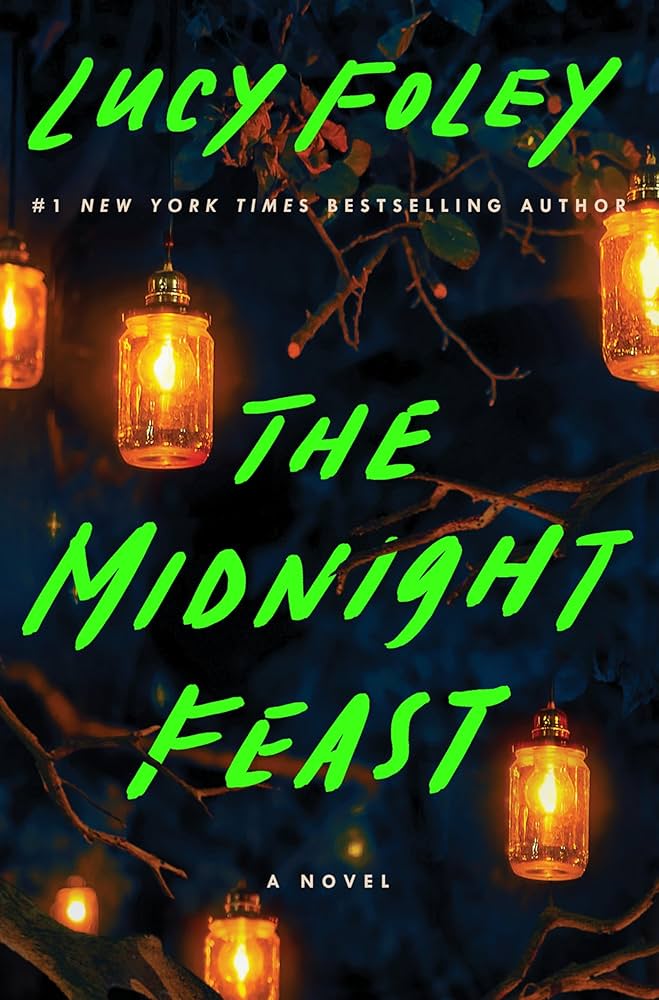
The Midnight Feast by Lucy Foley
Libby Book of the Month!
Secrets. Lies. Murder. Let the festivities begin… It's the opening night of The Manor, the newest and hottest luxury resort, and no expense, small or large, has been spared. The infinity pool sparkles; the "Manor Mule" cocktail (grapefruit, ginger, vodka, and a dash of CBD oil) is being poured with a heavy hand. Everyone is wearing linen. But under the burning midsummer sun, darkness stirs. Old friends and enemies circulate among the guests. Just outside the Manor's immaculately kept grounds, an ancient forest bristles with secrets. And it's not too long before the local police are called. Turns out the past has crashed the party, with deadly results. THE GIRLBOSS · THE HUSBAND · THE KITCHEN HELP · THE MYSTERY GUEST · Everyone's got a secret. Everyone's got an agenda. But not everyone will survive…The Midnight Feast.
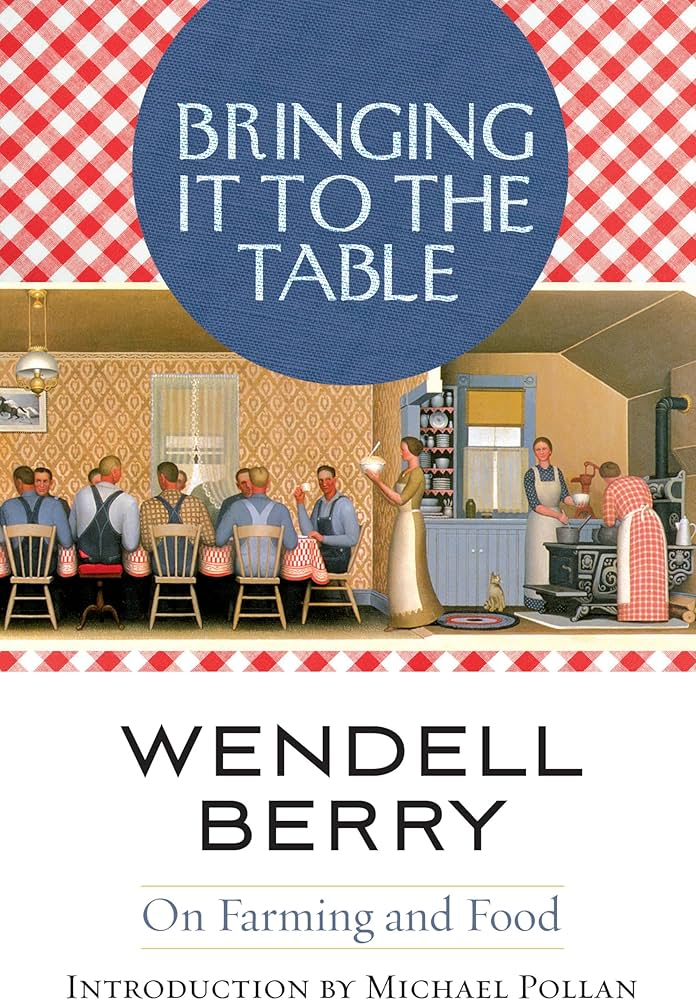
Bringing It to the Table by Wendell Berry
Only a farmer could delve so deeply into the origins of food, and only a writer of Wendell Berry's caliber could convey it with such conviction and eloquence. A progenitor of the slow food movement, Wendell Berry reminds us all to take the time to understand the basics of what we ingest. "Eating is an agriculture act," he writes. Indeed, we are all players in the food economy. For the last five decades, Berry has embodied mindful eating through his land practices and his writing. In recognition of that influence, Michael Pollan here offers an introduction to this wonderful collection that is essential reading for anyone who cares about what they eat. Drawn from over thirty years of work, this collection joins bestsellers The Omnivore's Dilemma, by Pollan, and Animal, Vegetable, Miracle, by Barbara Kingsolver, as essential reading for anyone who cares about what they eat.
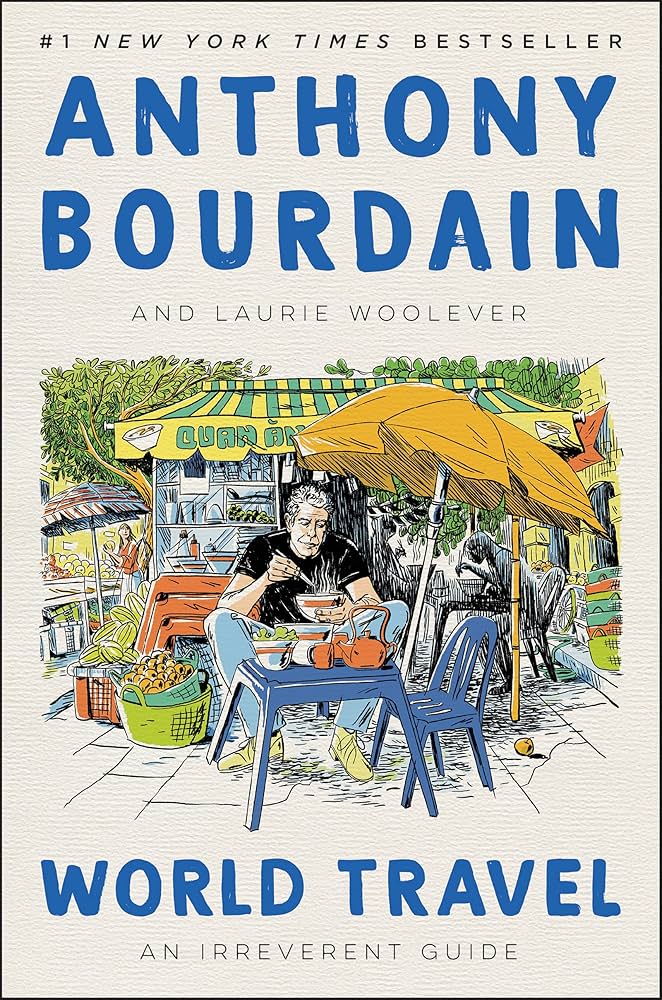
World Travel by Anthony Bourdain
A guide to some of the world's most fascinating places, as seen and experienced by writer, television host, and relentlessly curious traveler Anthony Bourdain. Anthony Bourdain saw more of the world than nearly anyone. His travels took him from the hidden pockets of his hometown of New York to a tribal longhouse in Borneo, from cosmopolitan Buenos Aires, Paris, and Shanghai to Tanzania's utter beauty and the stunning desert solitude of Oman's Empty Quarter—and many places beyond. In World Travel, a life of experience is collected into an entertaining, practical, fun and frank travel guide that gives readers an introduction to some of his favorite places—in his own words. Featuring essential advice on how to get there, what to eat, where to stay and, in some cases, what to avoid, World Travel provides essential context that will help readers further appreciate the reasons why Bourdain found a place enchanting and memorable. Supplementing Bourdain's words are a handful of essays by friends, colleagues, and family that tell even deeper stories about a place, including sardonic accounts of traveling with Bourdain by his brother, Christopher; a guide to Chicago's best cheap eats by legendary music producer Steve Albini, and more. Additionally, each chapter includes illustrations by Wesley Allsbrook. For veteran travelers, armchair enthusiasts, and those in between, World Travel offers a chance to experience the world like Anthony Bourdain.
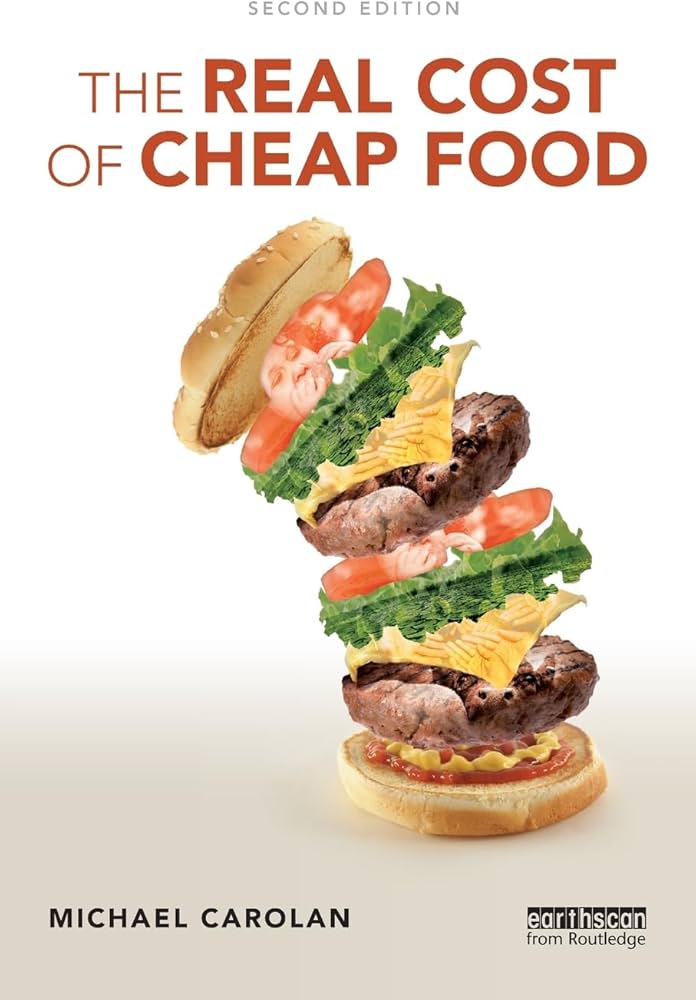
The Real Cost of Cheap Food by Michael Carolan
This challenging but accessible book critically examines the dominant food regime on its own terms, by seriously asking whether we can afford cheap food and exploring what exactly cheap food affords us. Detailing the numerous ways that food has become reduced to a state, such as a price per ounce, combination of nutrients, yield per acre, or calories, the book argues for a more contextual understanding of food when debating its affordability. The author makes a compelling case for why today's global food system produces just the opposite of what it promises. The food produced under this regime is in fact exceedingly expensive. Thus meat production and consumption are inefficient uses of resources and contribute to climate change; the use of pesticides in industrial-scale agriculture may produce cheap food, but there are hidden costs to environmental protection, human health and biodiversity conservation. Many of these costs will be paid for by future generations — cheap food today may mean expensive food tomorrow. By systematically assessing these costs the book delves into issues related, but not limited, to international development, national security, health care, industrial meat production, organic farming, corporate responsibility, government subsidies, food aid and global commodity markets. The book concludes by suggesting ways forward, going beyond the usual solutions such as farmers markets, community supported agriculture, and community gardens. Exploding the myth of cheap food requires we have at our disposal a host of practices and policies. Some of those proposed and explored include microloans, subsidies for consumers, vertical agriculture, and the democratization of subsidies for producers.
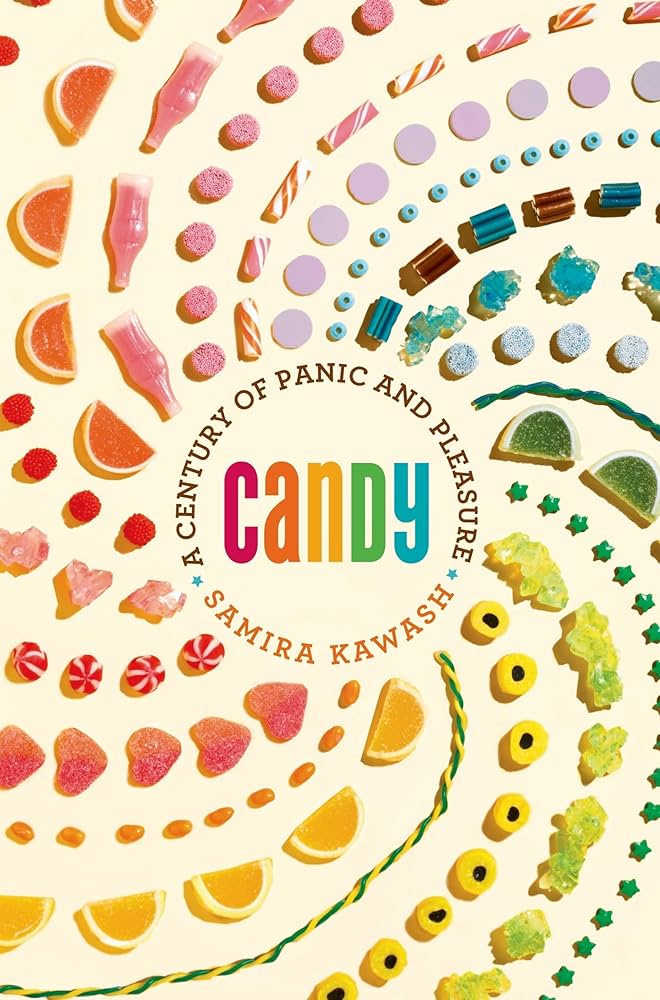
Candy: A Century of Panic and Pleasure by Samira Kawash
For most Americans, candy is an uneasy pleasure, eaten with side helpings of guilt and worry. So why is candy considered especially harmful, when it's not so different from the other processed foods, from sports bars to fruit snacks, that line supermarket shelves? In Candy: A Century of Panic and Pleasure, Samira Kawash tells the fascinating story of how candy evolved from a luxury good to a cheap, everyday snack. After candy making was revolutionized in the early decades of mass production, it was celebrated as a new kind of food for energy and enjoyment. Riding the rise in snacking and exploiting early nutritional science, candy was the first of the panoply of "junk foods" that would take over the American diet in the decades after the Second World War—convenient and pleasurable, for eating anytime or all the time. And yet, food reformers and moral crusaders have always attacked candy, blaming it for poisoning, alcoholism, sexual depravity and fatal disease. These charges have been disproven and forgotten, but the mistrust of candy they produced has never diminished. The anxiety and confusion that most Americans have about their diets today is a legacy of the tumultuous story of candy, the most loved and loathed of processed foods.
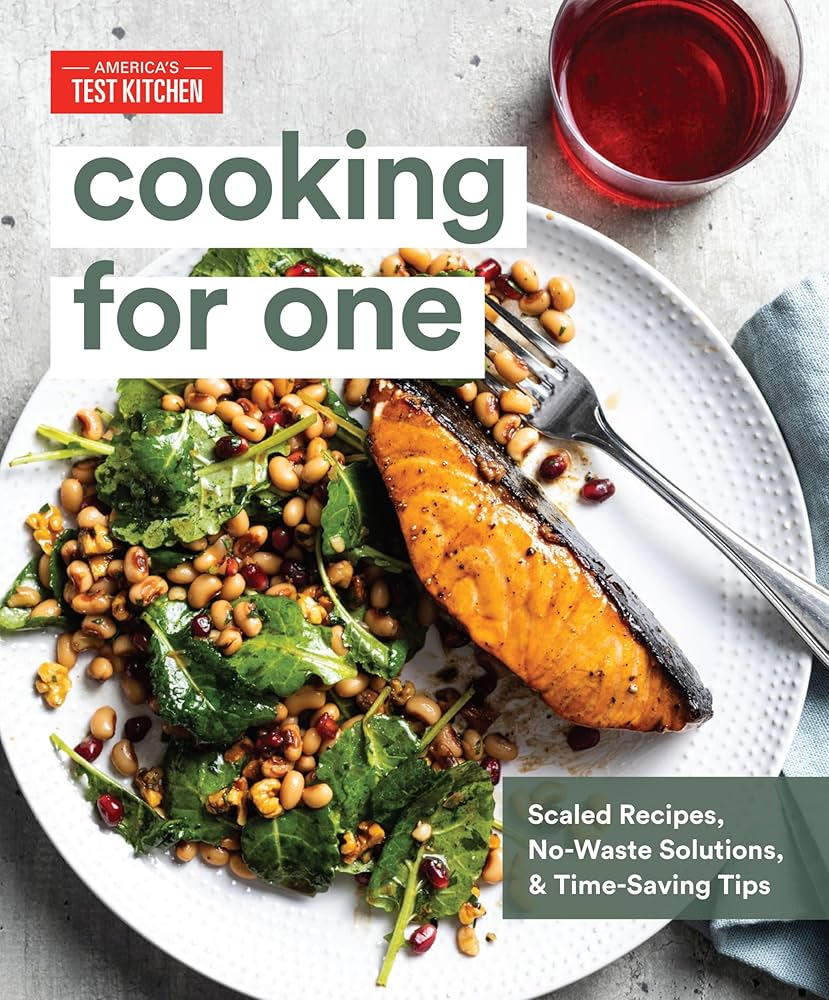
Cooking for One: Scaled Recipes, No-Waste Solutions, and Time-Saving Tips by America's Test Kitchen
Discover the joy of cooking for yourself with more than 160 perfectly portioned, easy-to-execute recipes, flexible ingredient lists to accommodate your pantry, and ideas for improvising to your taste. Taking care to prepare a meal for yourself is a different experience than cooking for others. It can be a fun, casual, and (of course) delicious affair, but there are challenges, from avoiding a fridge full of half-used ingredients to ending up with leftovers that become boring after the third reheat. Cooking for One helps you make cooking for yourself special without becoming a chore with unfussy yet utterly appealing meals that rely on ingredients you already have on hand, like Garam Masala Pork Chop with Couscous and Spinach and Weeknight Chicken Cacciatore. Don't have exactly the right ingredients? Never fear—with a "Kitchen Improv" box on every page, we offer ideas for altering the dish so it works for you. And for those weeks you didn't make it to the supermarket, we use a "Pantry Recipe" icon to clearly mark recipes that rely entirely on our checklist for a well-stocked pantry. We show you when it's worth making two servings (but never more) with our "Makes Leftovers" icon, and suggest how to transform those leftovers into a whole new meal.
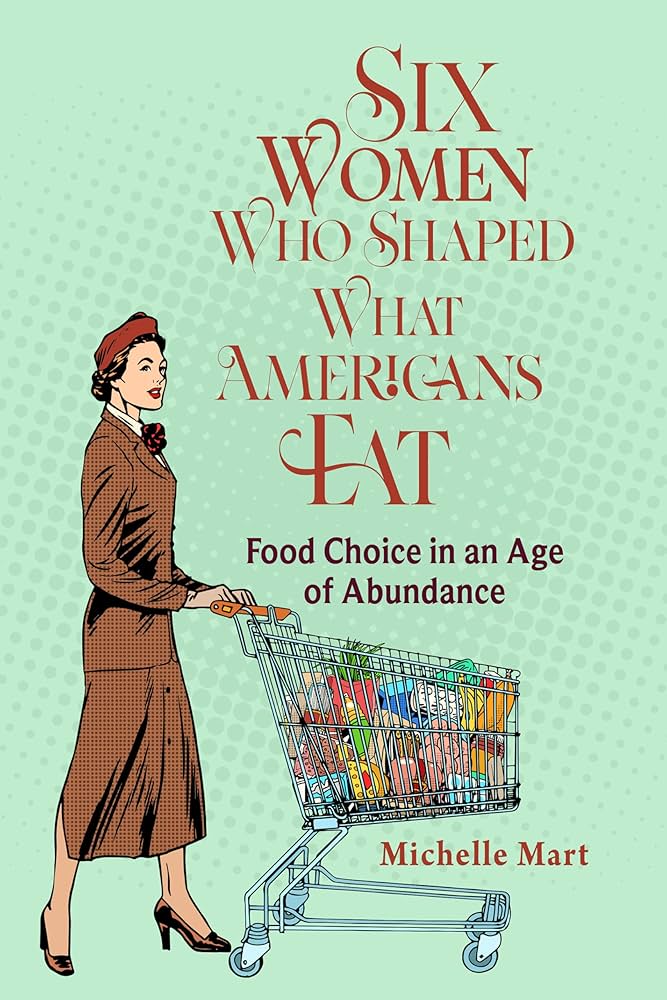
Six Women Who Shaped What Americans Eat: Food Choice in an Age of Abundance by Michelle Mart
From wartime nutrition science to modern food activism, Six Women Who Shaped What Americans Eat examines the pivotal roles six women played in rewriting the rules of American cuisine. Michelle Mart offers a rich and accessible narrative that connects dietary trends, food marketing, and public health movements to the voices of the women who helped drive them. Part one highlights Hazel Stiebeling's development of dietary guidelines and RDAs, Poppy Cannon's promotion of processed foods for convenience and gourmet meals, and Julia Child's introduction of French cuisine with an emphasis on fresh ingredients and culinary techniques. Part two shifts the focus to women who challenged the food system itself: Frances Moore Lappé's advocacy for vegetarianism and sustainable practices, Marion Nestle's exposure of food corporations' manipulative practices, and Alice Waters's emphasis on locally sourced, organic ingredients and sustainable food systems. Thoughtful and timely, this book explores how culture, politics, and personal vision collided in the kitchens and campaigns of six food pioneers—leaving a lasting imprint on what America eats today.
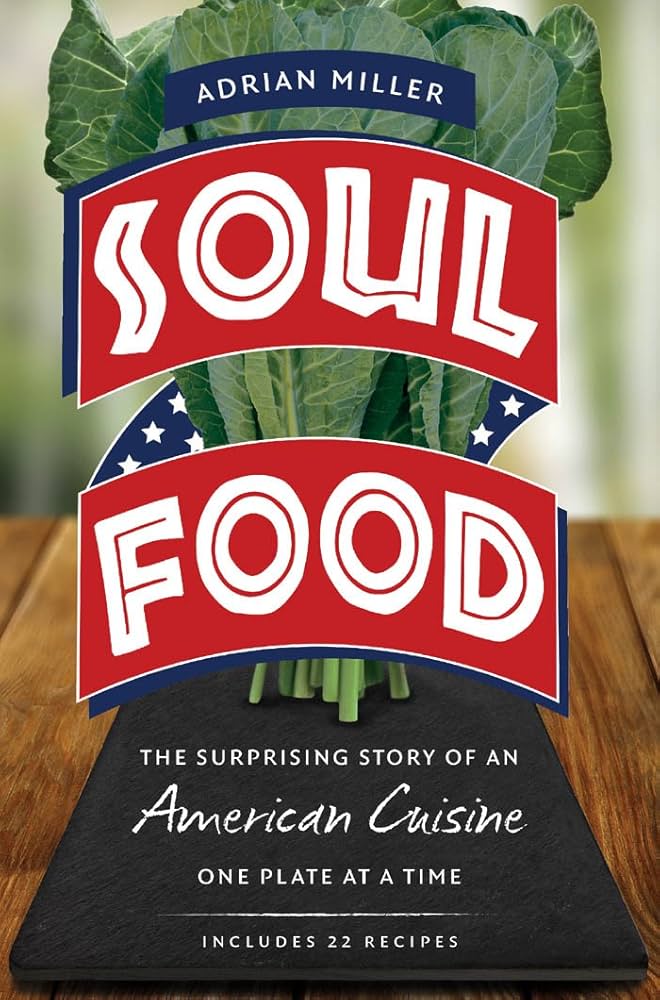
Soul Food: The Surprising Story of an American Cuisine, One Plate at a Time by Adrian Miller
In this insightful and eclectic history, Adrian Miller delves into the influences, ingredients, and innovations that make up the soul food tradition. Focusing each chapter on the culinary and social history of one dish—such as fried chicken, chitlins, yams, greens, and "red drinks"—Miller uncovers how it got on the soul food plate and what it means for African American culture and identity. Miller argues that the story is more complex and surprising than commonly thought. Four centuries in the making, and fusing European, Native American, and West African cuisines, soul food—in all its fried, pork-infused, and sugary glory—is but one aspect of African American culinary heritage. Miller discusses how soul food has become incorporated into American culture and explores its connections to identity politics, bad health raps, and healthier alternatives. This refreshing look at one of America's most celebrated, mythologized, and maligned cuisines is enriched by spirited sidebars, photographs, and twenty-two recipes.
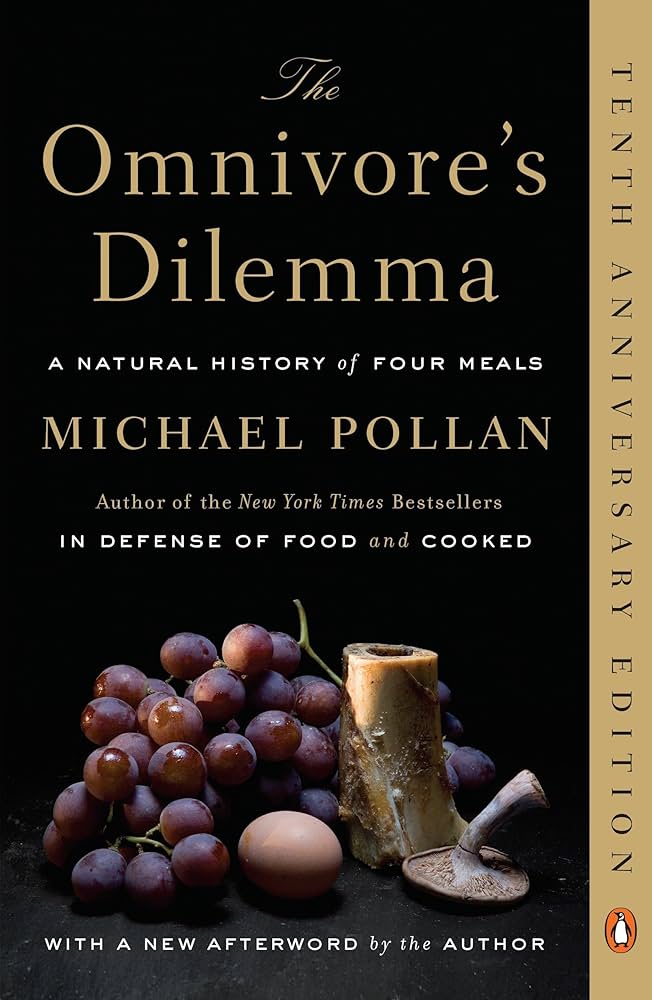
The Omnivore's Dilemma: A Natural History of Four Meals by Michael Pollan
"What should we have for dinner?" To one degree or another, this simple question assails any creature faced with a wide choice of things to eat. Anthropologists call it the omnivore's dilemma. Choosing from among the countless potential foods nature offers, humans have had to learn what is safe, and what isn't—which mushrooms should be avoided, for example, and which berries we can enjoy. Today, as America confronts what can only be described as a national eating disorder, the omnivore's dilemma has returned with an atavistic vengeance. The cornucopia of the modern American supermarket and fast-food outlet has thrown us back on a bewildering landscape where we once again have to worry about which of those tasty-looking morsels might kill us. At the same time we're realizing that our food choices also have profound implications for the health of our environment. The Omnivore's Dilemma is bestselling author Michael Pollan's brilliant and eye-opening exploration of these little-known but vitally important dimensions of eating in America. Pollan has divided The Omnivore's Dilemma into three parts, one for each of the food chains that sustain us: industrialized food, alternative or "organic" food, and food people obtain by dint of their own hunting, gathering, or gardening. Pollan follows each food chain literally from the ground up to the table, emphasizing our dynamic coevolutionary relationship with the species we depend on.
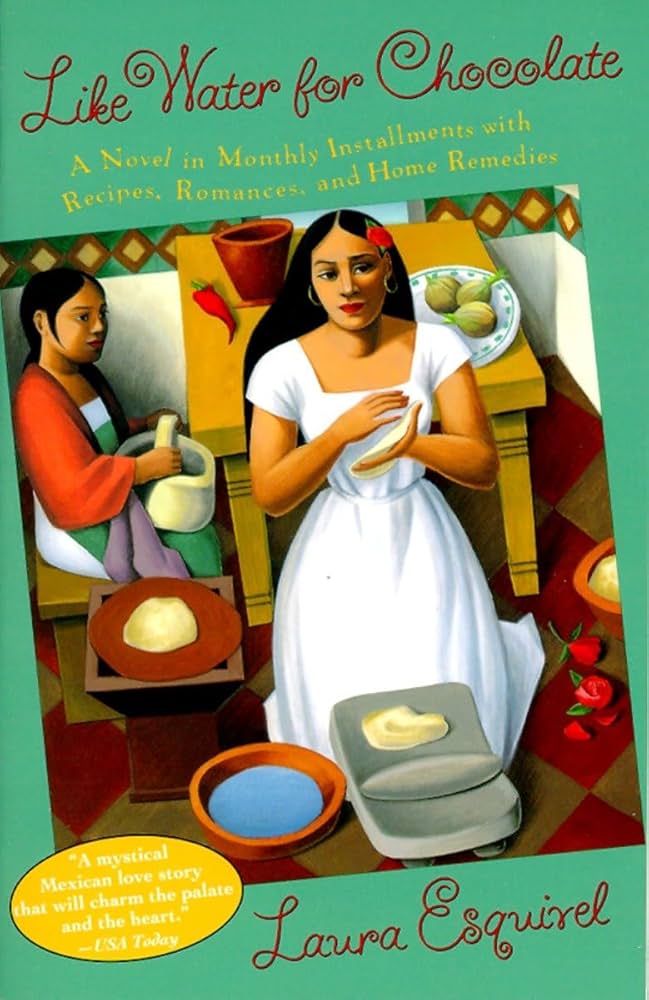
Like Water for Chocolate by Laura Esquivel
Earthy, magical, and utterly charming, this tale of family life in turn-of-the-century Mexico became a best-selling phenomenon with its winning blend of poignant romance and bittersweet wit. The classic love story takes place on the De la Garza ranch, as the tyrannical owner, Mama Elena, chops onions at the kitchen table in her final days of pregnancy. While still in her mother's womb, her daughter to be weeps so violently she causes an early labor, and little Tita slips out amid the spices and fixings for noodle soup. This early encounter with food soon becomes a way of life, and Tita grows up to be a master chef. She shares special points of her favorite preparations with listeners throughout the story.