
Banned Books Week
October 5 — October 11, 2025
Author/Contact: Tyler Hill, Library Research Assistant | tyler.hill@usu.edu
The American Library Association and Banned Books Week Coalition have announced the theme for this year’s Banned Books Week: “Censorship Is So 1984. Read for Your Rights.” Nearly 16,000 books have been banned or challenged across the United States since 2021. Banned Books Week, which takes place this year during the week of October 5–11, is a time to spotlight these works and reflect on the dangers of censorship and the right to read. Check below for resources to learn more about Banned Books Week, and to see a list of books in our collection that are commonly challenged.
Banned Books Week Resources

Gender Queer: A Memoir by Maia Kobabe
A coming-of-age graphic memoir exploring gender identity and sexuality. Kobabe shares personal experiences with honesty and humor, offering an intimate look at the complexities of growing up nonbinary and asexual.

The Bluest Eye by Toni Morrison
Morrison’s first novel tells the story of Pecola Breedlove, a young Black girl who longs for blue eyes. It explores beauty standards, racism, and trauma in 1940s America with unflinching power.

The Perks of Being a Wallflower by Stephen Chbosky
Told through letters, this modern classic follows Charlie as he navigates high school, first love, friendship, and hidden grief. A heartfelt portrait of adolescence, mental health, and the search for belonging.
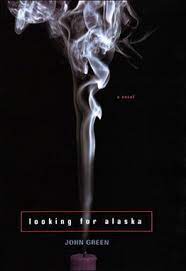
Looking for Alaska by John Green
Miles “Pudge” Halter leaves for boarding school, where he meets the enigmatic Alaska Young. The novel explores love, loss, and meaning, blending sharp humor with deep reflection.

Flamer by Mike Curato
A semi-autobiographical graphic novel about Aiden, a Filipino American boy at summer camp struggling with bullying, identity, and self-acceptance. With raw honesty, it captures the pain and hope of adolescence.

Crank by Ellen Hopkins
Written in verse, Hopkins’ novel tells the harrowing story of Kristina, a teen pulled into meth addiction. Inspired by the author’s daughter, it explores the devastating effects of drug abuse.

Blankets by Craig Thompson
An illustrated memoir chronicling Thompson’s youth, first love, and spiritual struggle. With stunning artwork, the graphic novel captures both tender and painful moments of growing up.

Water for Elephants by Sara Gruen
During the Great Depression, Jacob Jankowski joins a traveling circus and finds love, danger, and unforgettable characters. Gruen’s novel weaves romance and survival into a vivid historical setting.

The Handmaid’s Tale by Margaret Atwood
Set in the dystopian Republic of Gilead, the story follows Offred, a handmaid forced into reproductive servitude. Atwood’s classic explores power, control, and resistance in a chilling near-future.
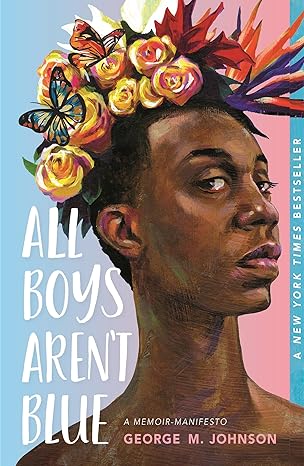
All Boys Aren’t Blue by George M. Johnson
Through essays, Johnson reflects on growing up Black and queer in America. Candid and affirming, this memoir shares personal stories while addressing family, identity, and resilience.
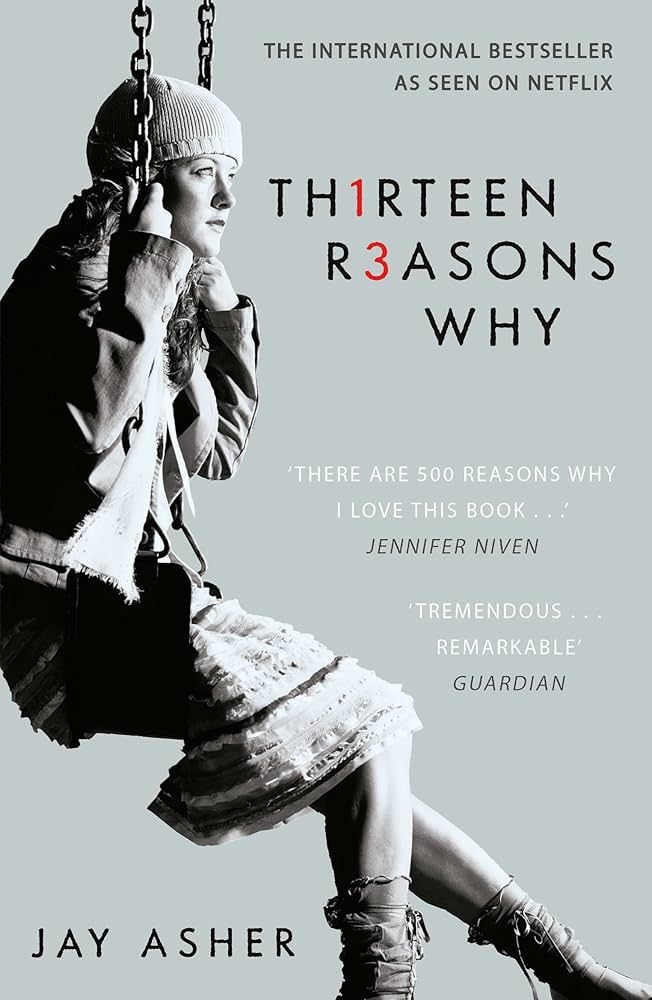
Thirteen Reasons Why by Jay Asher
When Clay receives a box of tapes from classmate Hannah, he learns the reasons behind her death. The novel raises urgent questions about bullying, mental health, and responsibility.

The Kite Runner by Khaled Hosseini
A sweeping story of friendship, betrayal, and redemption set in Afghanistan and the United States. Hosseini explores family, guilt, and the power of forgiveness in his debut novel.

The Absolutely True Diary of a Part-Time Indian by Sherman Alexie
Illustrated by Ellen Forney, this semi-autobiographical novel follows Junior, a Native American teen who transfers to an all-white school. Funny, raw, and poignant, it explores identity and resilience.

Lawn Boy by Jonathan Evison
Mike Muñoz, a young Chicano landscaper, struggles to find stability and opportunity in America. Evison’s sharp, heartfelt novel addresses class, race, and the pursuit of the American dream.